
ECONOMY
We have 70m Nigerians already in our social register – Minister

The Minister of Humanitarian Affairs and Poverty Reduction, Bernard Doro, has revealed that Nigeria has 17.9 million vulnerable households already captured in the social register.

Minister of Humanitarian Affairs and Poverty Reduction, Bernard Doro
Speaking during an interview on Arise Television’s ‘Morning Show’ on Friday, Doro said the 17.9 million translates to about 70 million Nigerians in the register.
He said the federal government has been been able to identify the poorest of the poor in the social register of the ministry.
Speaking further, the minister said they depend solely on communities to identify the poorest of the poor.
“It is not every poor person in Nigeria that has been captured on the social register” stressing that, the target started with the poorest of the poor.
“The register is a product of community engagement and so we rely on the community base on the set of questions around socio-economic data to be able to identify the poorest of the poor.
“Communities will guide us based on the criteria that we have to be able to identify who is poor among them,” he said.
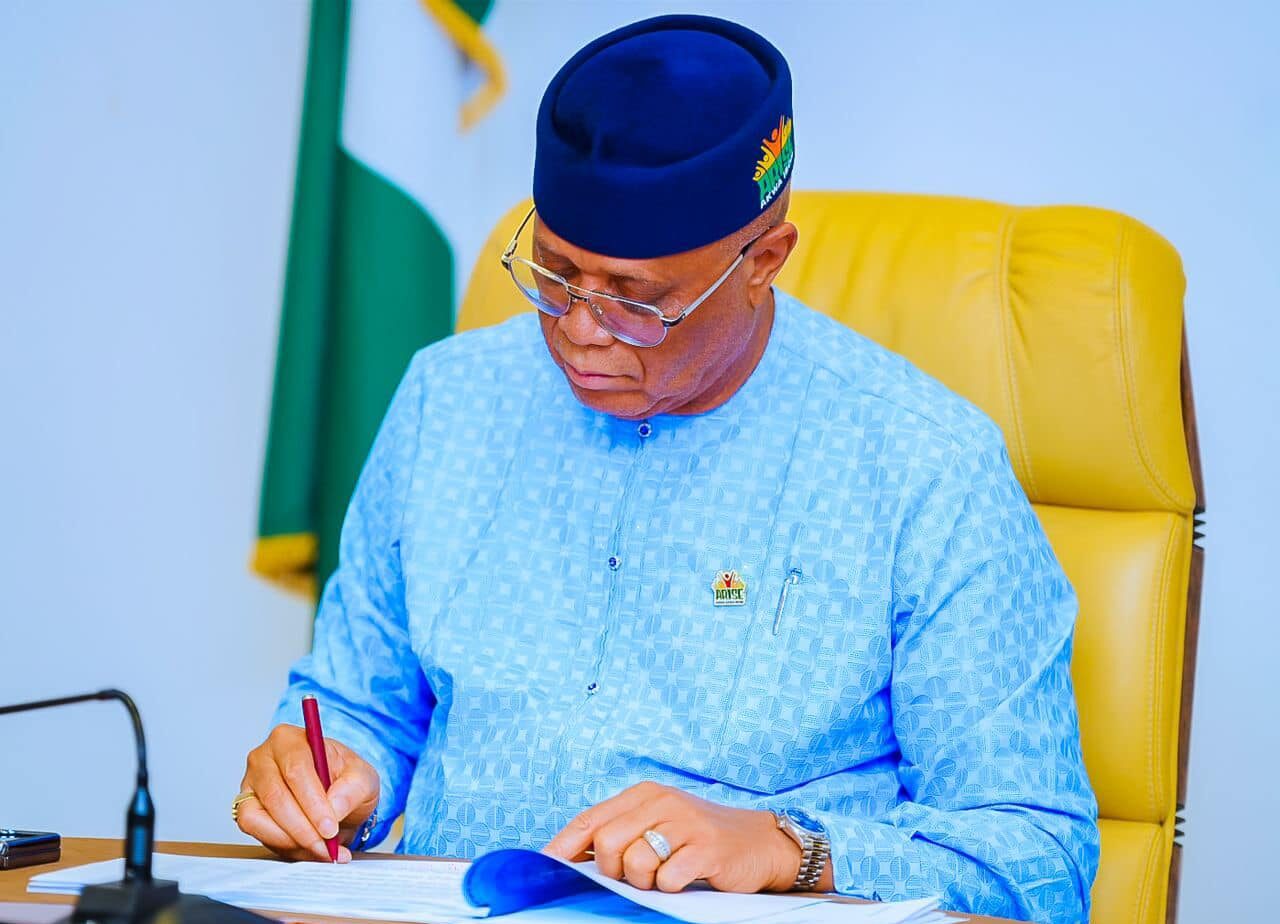
A total of thirty one billion naira only (N31b) has been approved by the Akwa Ibom state governor, Pastor Umo Eno, Ph.D, for economic empowerment of citizens across the 31 local government areas.
Under the arrangement, each local government will receive one billion naira only and it is for thousands of farmers, traders, small business owners across the state.
This was one of the major decisions taken at the meeting of the Akwa Ibom State Executive Council, presided over by Governor Eno at the Executive Council Chambers, Government House, Uyo.
Briefing Government House correspondents after the meeting, the Commissioner for Information, Rt. Hon. Aniekan Umanah, Ph.D, said the fund had already been provided for in the 2026 budget.
He explained that the programme will cover youth skills acquisition and starter packs, grants for traders, support for women’s cooperatives, agricultural inputs for farmers, assistance for small and medium-scale businesses and transport empowerment, including the distribution of tricycles to qualified beneficiaries.
According to him, the Executive Council has constituted a committee headed by the Secretary to the State Government to work out the implementation framework and ensure transparent distribution of the intervention across the state.
Council, according to the Information Boss, also received an update on the forthcoming working visit of President Bola Tinubu to Akwa Ibom, during which he is expected to commission key projects executed by the Eno administration as part of activities marking the state’s 39th anniversary.
Among the projects lined up for commissioning are the new terminal building at Victor Attah International Airport, the Airport Hospital, Aviation Village, the 14.5-kilometre Nsit Atai–Okobo Road, Ring Road 3, the Command and Control Centre, AkwaGIS, the State Secretariat Annex and the ARISE Palm Resort. Ministries, Departments and Agencies have been directed to conclude preparations ahead of the President’s visit.
On the health sector, Umanah said the Council reviewed the state’s emergency healthcare response and noted that more than 2,854 health workers have so far been recruited, while 29 model primary healthcare centres have been completed, with another 17 undergoing upgrade.
He added that government has also acquired three CT Scan machines, with three more expected, alongside two MRI machines, while Governor Eno directed that more medical doctors be recruited through faster administrative processes to bridge manpower gaps in public health facilities.
The Executive Council further approved the transmission of nine health-related bills to the Akwa Ibom State House of Assembly to strengthen healthcare delivery and improve health sector regulation across the state.
Umanah also hinted that council equally approved plans for Christmas Unplugged 4.0, fixed December 18 for the 2026 Christmas Carol Festival and announced a two-day youth conference aimed at promoting entrepreneurship, innovation and responsible leadership among young people.
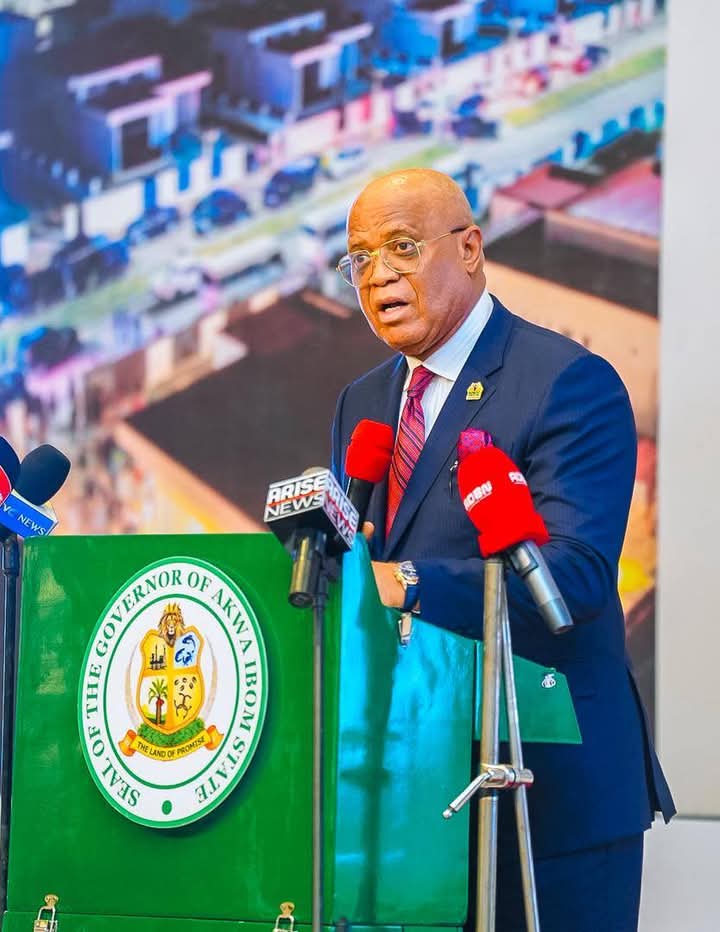
In a bold move to secure reliable, affordable, and universal electricity access for Akwa Ibom people, Governor Umo Eno on Thursday, September 18, 2025, declared open the maiden Akwa Ibom State Electricity Summit at Four Points by Sheraton, Ikot Ekpene.
🎈The two-day summit, themed “Fulfilling the Promise of Reliable, Affordable and Universal Access to Electricity in Our State,” is designed to chart a clear roadmap with timelines for achieving total electricity access across the State.
🎈Declaring the summit open, Governor Eno reaffirmed his administration’s commitment to ending years of unreliable power supply, unveiling the Akwa Ibom State Electricity Policy and the Akwa Ibom State Electricity Law as part of measures to drive reform in the sector.
“The right questions must be asked, and bold actions taken. By the mandate the people have given me, I will take the decisions needed to deliver reliable electricity to our State. Electricity access is the backbone of our ARISE Agenda, connecting households, businesses, and vulnerable families,” the Governor said.
🎈He further announced plans to establish the Akwa Ibom State Electricity Regulatory Commission and to pursue the State’s rightful shares in the Port Harcourt Electricity Distribution Company (PHED).
🎈Governor Eno emphasized the importance of learning from best practices, noting that sister States who have achieved stable electricity were invited to share their journeys.
In her welcome address, Deputy Governor and Chairperson of the Summit Organizing Committee, Senator Akon Eyakenyi, highlighted that the passage of the new State Electricity Law by the Akwa Ibom State House of Assembly has empowered the State to take full control of its electricity ecosystem. She stressed that the summit must produce a clear and actionable program to ensure universal power access.
🎈The Federal Government, through the Minister of Power, Chief Adebayo Adelabu, represented by his Chief Technical Adviser, Adedoyin Oluwoniyi, pledged its readiness to partner with Akwa Ibom State to achieve reliable electricity supply.
🎈Goodwill messages came from the Governors of Abia, Cross River, Bayelsa, and Enugu States, the Speaker of the House of Representatives and other key stakeholders in the power sector, all commending Governor Eno for his bold step to address electricity challenges.
🎈The summit also featured a keynote presentation by Mr. Eyo Okon, Team Lead, Power Component at UKNIAF, who shared lessons from Nigeria’s electricity sector reform journey. The State Commissioner for Power, Hon. Iniobong Robson, presented an overview of Akwa Ibom’s electricity landscape, while the Attorney-General, Uko Udom (SAN), spoke on the legal mandates provided by the new electricity law.
🎈Panel discussions and technical sessions with experts in the energy sector formed part of the day’s activities. The summit ends today September 19, 2025.

The Director General of Lagos Chamber of Commerce and Industry (LCCI) Dr Chinyere Almona, has commended the Federal Government for signing four landmark tax reform bills into Law.
In a statement on Friday in Lagos, Dr Chinyere Almona, said the tax reforms were expected to impact four major areas of the Nigerian economy.
Recalls that the tax reform bills were signed into law by President Bola Tinubu on Thursday.
They included the Nigeria Tax Bill (Ease of Doing Business); Nigeria Tax Administration Bill; Nigeria Revenue Service (Establishment) Bill and the Joint Revenue Board (Establishment) Bill.
Almona listed the areas of impact to include inflation, trade competitiveness, tax compliance, and investor confidence.
She said the reforms, passed after extensive stakeholder consultations, marked a significant milestone in Nigeria’s journey toward a more transparent, efficient, and growth-aligned fiscal framework.
She added that unifying Nigeria’s complex and fragmented tax laws and the digital and institutional upgrades in the bills gave the private sector a better platform to grow and compete.
“The potential impact of inflation is twofold: in the short term, as businesses re-price, the broader tax net and initial compliance adjustments may trigger a slight increase in core inflation, estimated between 40 and 60 basis points.
“However, in the medium term, the reduction of tax inefficiencies and a shift from monetary financing to sustainable revenue should help ease price pressures.
“With essential goods and services now exempted from Value Added Tax (VAT), we expect this move to ease the cost of living for millions of Nigerians,” she stated.
Almona said the new tax laws would also significantly improve Nigeria’s trade competitiveness.
New tax laws, a step towards economic indep
She noted that with the introduction of a unified filing system and streamlining state and federal tax processes, businesses could see compliance time fall by up to 40 per cent.
She added that the development would effectively reduce transaction costs and support Nigeria’s export competitiveness under the African Continental Free Trade Area (AfCFTA).
“Tax compliance is another area where the reforms are poised to deliver tangible gains.
“Nigeria’s tax-to- Gross Domestic Product (GDP) ratio, currently at 7.9 per cent, is among the lowest in sub-Saharan Africa.
“With full implementation, the LCCI boss projects an increase in non-oil tax revenues by N3.2 trillion over the next two years, pushing the tax-to-GDP ratio toward 12 per cent by 2027,” she stated.
The director general added that these new laws, with their institutional safeguards and digital monitoring platforms, sent a strong signal of fiscal discipline and reliability.
She said the independence of the emerging Nigerian Revenue Service (NRS), supported by robust performance reporting, would further bolster credibility and reduce the risk premium attached to long-term investments.
“We recognise that passing legislation is only the first step.
“Successful execution will require close coordination across federal, states, and local government areas and robust monitoring and feedback from the private sector.
“We urge the immediate rollout of a public-facing implementation roadmap, beginning with pilot e-tax systems in high-volume states such as Lagos, Rivers, and Kano.
“The next six months before the full implementation in January 2026 should provide sufficient space for pilot phases and ensure all gears are engaged for optimal performance,” Almona added.

Gov Umo Eno calls for transparency in constituency empowerment programmes
POLICE RECOVERS WEAPON, STOLEN ITEMS FROM TWO SUSPECTS OF ALLEGED MACHETE ATTACKS, ROBBERIES IN UYO
AKWA IBOM POLICE COMMAND CELEBRATES CUSTOMER SERVICE WEEK AS CP AZARE REAFFIRMS COMMITMENT TO EXCELLENT SERVICE
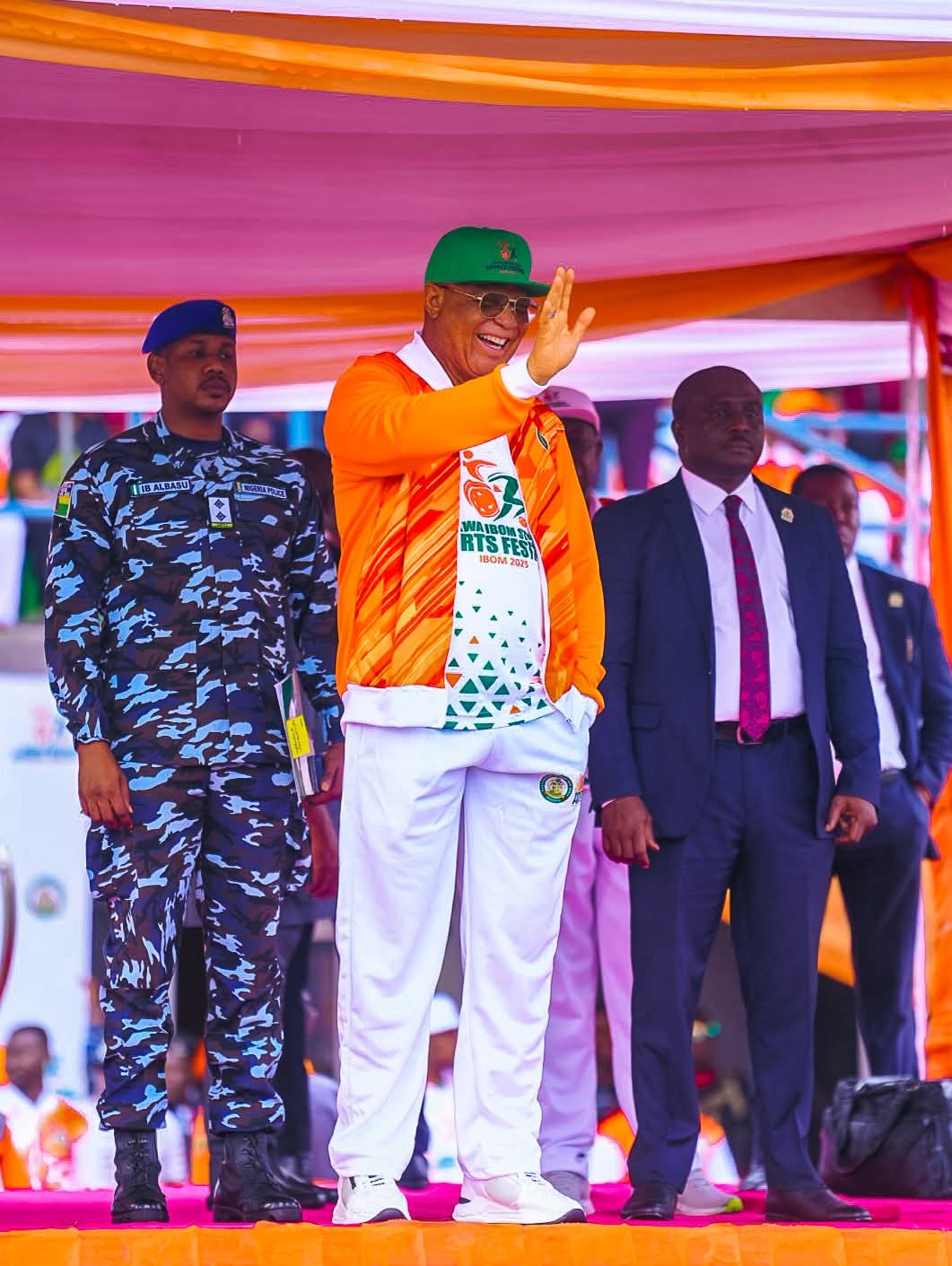
2026 AKWA IBOM SPORTS FESTIVAL: GOVERNOR UMO ENO’S BOLD STEP AT DISCOVERING TOMORROW’S SPORTS STARS TODAY

NYSC Batch B Stream II Orientation Camp opens August 28

A’IBOM SPORTS FESTIVAL KICKS OFF SEPTEMBER 8
-
SPORTS3 months ago
2026 AKWA IBOM SPORTS FESTIVAL: GOVERNOR UMO ENO’S BOLD STEP AT DISCOVERING TOMORROW’S SPORTS STARS TODAY
-
NEWS2 years ago
NYSC Batch B Stream II Orientation Camp opens August 28
-
SPORTS1 year ago
A’IBOM SPORTS FESTIVAL KICKS OFF SEPTEMBER 8
-
 METRO2 months ago
AKWA IBOM STATE POLICE COMMAND DECORATES TWO NEW ASSISTANT COMMISSIONERS OF POLICE, CONDUCTS HEPATITIS SCREENING FOR PERSONNEL
-
SPORTS1 month ago
2nd EDITION OF AKWA IBOM SPORTS FESTIVAL KICKS OFF SEPTEMBER 22 2026
-
 Crime1 year ago
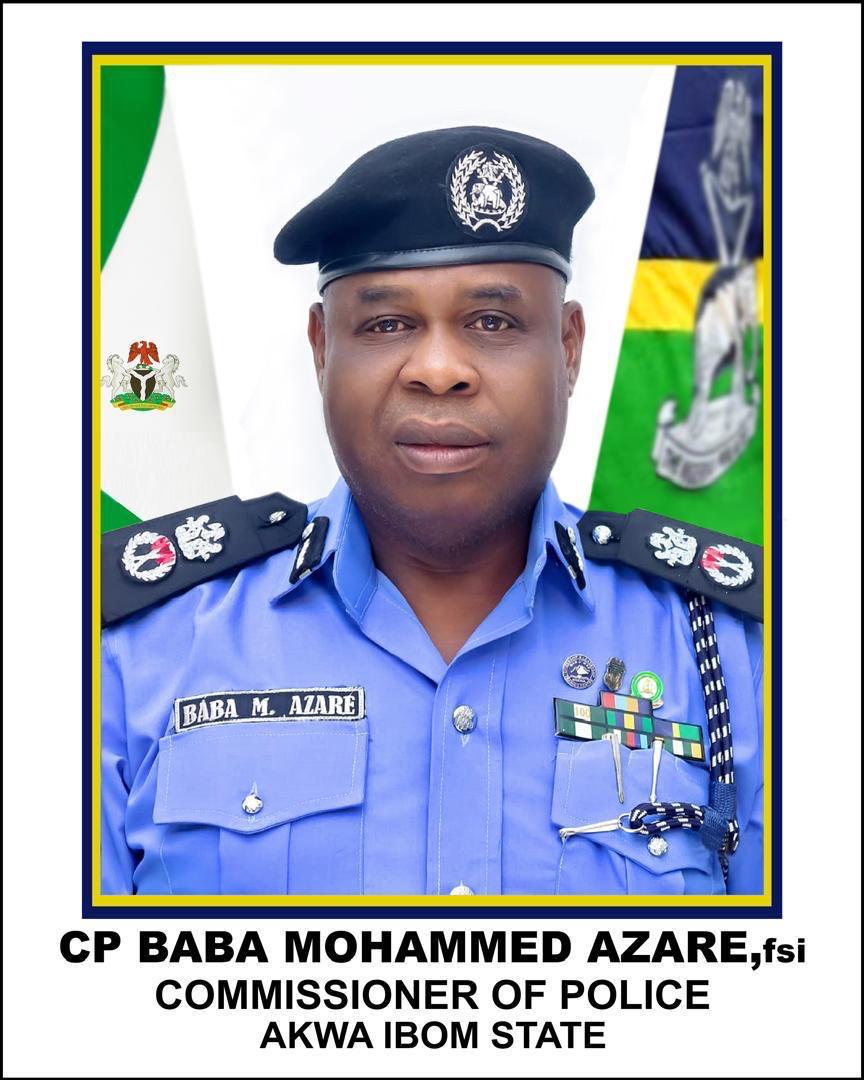
Akwa Ibom Police Command Reels Out Emergency Numbers to the Public
-
 Crime2 months ago
TWO SUSPECTED ARMED ROBBERS LINKED TO MURDER AND KIDNAPPING IN ETINAN IN POLICE NET
-
 SPORTS1 year ago
Akwa Ibom Sports Festival opens in Uyo