
WORLD NEWS
Iran’s Vice President Resigns After 11 Days In Office

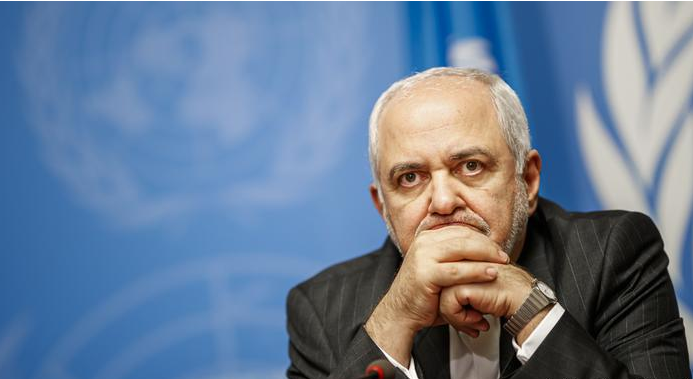
Iran’s Vice President Mohammad Javad Zarif unexpectedly resigned from his position on Monday, just 11 days after joining President Massud Pezeshkian’s cabinet.
In a statement posted on his X account, Zarif expressed dissatisfaction with his role, stating, “I am not satisfied with my work and regret that I have not been able to fulfil expectations.”
Zarif’s resignation is reportedly linked to disagreements over the selection of ministers for Pezeshkian’s new cabinet.
Zarif, Iran’s former foreign minister, hinted that disagreements over the selection of ministers had led to his decision.
According to DW, Zarif noted that at least seven of the 19 ministers nominated were not his first choice.
This development marks the second major crisis for President Pezeshkian since he assumed office at the end of July, following the assassination of Palestinian militant leader Ismail Haniyeh in Tehran.
Zarif, who served as Iran’s chief diplomat from 2013 to 2021 and played a crucial role in negotiating the 2015 international nuclear agreement, was a key figure in Pezeshkian’s presidential campaign.
His popularity and experience were expected to be instrumental in the new administration’s efforts to resume nuclear negotiations and alleviate the crippling economic sanctions on Iran.
However, the current situation suggests that internal pressures, possibly from Iran’s hardline arch-conservative faction, influenced the final composition of the cabinet, leading to Zarif’s abrupt departure.
His resignation raises questions about the future direction of Pezeshkian’s government and its ability to implement promised reforms.
Observers are closely watching how President Pezeshkian will navigate this setback as his administration seeks to stabilise and pursue its policy objectives.
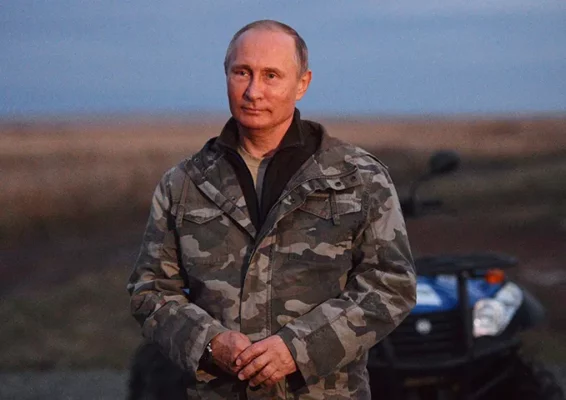
Russian President Vladimir Putin visited the town of Kurchatov in the Kursk region, which was partially occupied by Ukrainian forces for several months in 2024, the Kremlin said on Wednesday.
It marked the Russian leader’s first trip to the area since a Ukrainian incursion nearly a year ago.
Last August, Ukrainian troops launched a surprise offensive into the Kursk region, seizing a small area and holding it for several months.
Mr Putin met with regional governor Alexander Khinshtein, representatives of volunteer organisations, and local officials on Tuesday evening.
He pledged continued support from Moscow for reconstruction efforts, particularly for housing damaged during the conflict, according to the Kremlin.
The president also toured a unit at the Kursk Nuclear Power Plant No. 2, currently under construction.
Last August, Ukrainian troops launched a surprise offensive into the Kursk region, seizing a small area and holding it for several months.
Russia’s military declared the region “completely liberated” in late April.
WORLD NEWS
Why shouldn’t we give them to Russia?”
“We must resort to barter to meet our needs, including importing soybeans and wheat. Part of the barter involves sending missiles, and another part involves dispatching military drones to Russia,”
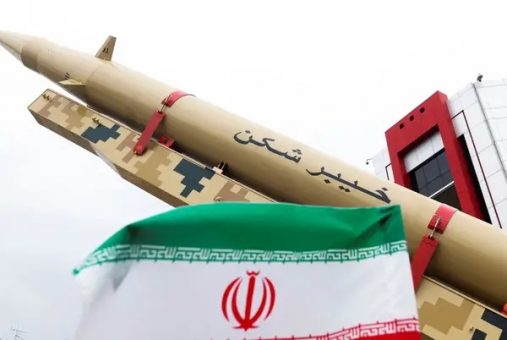
Iran has supplied ballistic missiles to Russia. Ahmad Bakhshayesh Ardestani, a member of Iran’s parliamentary committee on national security, confirmed this information in an interview with Didban Iran, explaining that these exchanges are part of a barter agreement wherein Tehran receives soybeans and wheat in return and “circumvents sanctions through partnership with Russia”.
Ardestani admitted Iran’s military aid to Moscow just hours after Iran’s mission to the UN dismissed a report from The Wall Street Journal that said Iran had delivered short-range ballistic missiles to Russia.
“We must resort to barter to meet our needs, including importing soybeans and wheat. Part of the barter involves sending missiles, and another part involves dispatching military drones to Russia,” Ardestani stated.
When asked if sending ballistic missiles to Russia could result in further sanctions or the activation of the so-called snapback mechanism against Iran, the lawmaker responded, “It can’t get any worse than it already is. We supply missiles to Hezbollah, Hamas, and Hashd al-Shaabi. Why shouldn’t we give them to Russia?”
The Iranian politician emphasised that his country “sells weapons and earns dollars,” and also “avoids sanctions through its partnership with Russia.”
“We import soy, corn, and other goods from Russia. Europeans sell weapons to Ukraine. NATO is in Ukraine, so why shouldn’t we support our ally by shipping missiles and drones to Russia?” added Ardestani.
Countries that provide weapons to terrorist organizations and states must be punished, said Andriy Yermak, Head of the Office of the President of Ukraine, in response to the news about Iran sending ballistic missiles to Russia.
“In response to Russian ballistic missile supplies, Ukraine should be authorized to destroy stockpiles of these missiles with Western weaponry to avoid terror,” he asserted.
He believes such strikes are defensive rather than escalatory.
On September 6, The Wall Street Journal reported that Tehran had delivered short-range ballistic missiles to Russia. The Times reported that 200 Fath-360 ballistic missiles were involved.
On September 7, Iran’s UN envoy denied Read more this, stating, “Iran refrains from such actions and urges other countries to cease arms deliveries to parties involved in the conflict”
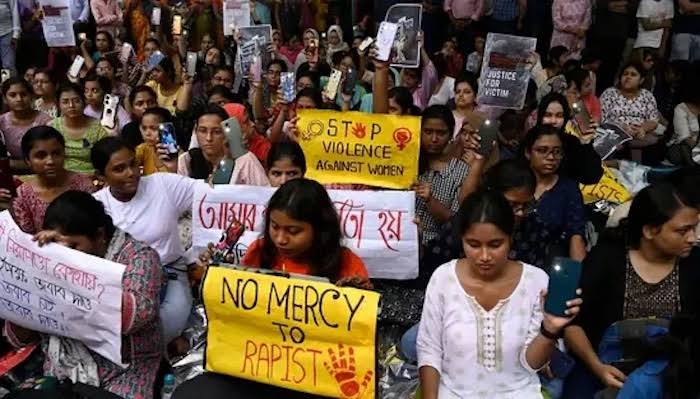
Thousands of women marched through major Indian cities overnight, demanding justice and stronger legal measures following the harrowing rape and murder of a young doctor.
Police said she had been raped and murdered and a police volunteer was subsequently arrested in connection with the crime.
Prime Minister Narendra Modi, addressing the growing unrest, has called for stringent punishment for those convicted of crimes against women.
Reuters reports that women across India, including in Kolkata, have held marches with candles and posters reading “Reclaim the Night” in response to the recent rape and murder of a trainee doctor. This tragedy has spurred fellow medics to protest for safer working conditions.
Earlier this week, many government hospitals across India suspended all non-emergency services as junior doctors demonstrated outside, demanding justice for the victim.
In a national address on India’s 78th Independence Day, Prime Minister Modi stated, “As a society, we need to reflect on the atrocities against our mothers, daughters, and sisters. There is widespread outrage, and I can sense it.”
The case echoes a similar incident in New Delhi in 2012, when a 23-year-old student was brutally raped and killed by a gang in a moving bus, an event that sparked major public outcry.
Bollywood actor Alia Bhatt, with over 85 million Instagram followers, commented, “This horrific incident has again highlighted the disproportionate burden women face in ensuring their own safety.”
Doctors in India’s often overcrowded and inadequate government hospitals have long reported being overworked and underpaid, with insufficient measures to protect them from violence due to dissatisfaction with medical care.

Gov Umo Eno calls for transparency in constituency empowerment programmes
POLICE RECOVERS WEAPON, STOLEN ITEMS FROM TWO SUSPECTS OF ALLEGED MACHETE ATTACKS, ROBBERIES IN UYO
AKWA IBOM POLICE COMMAND CELEBRATES CUSTOMER SERVICE WEEK AS CP AZARE REAFFIRMS COMMITMENT TO EXCELLENT SERVICE
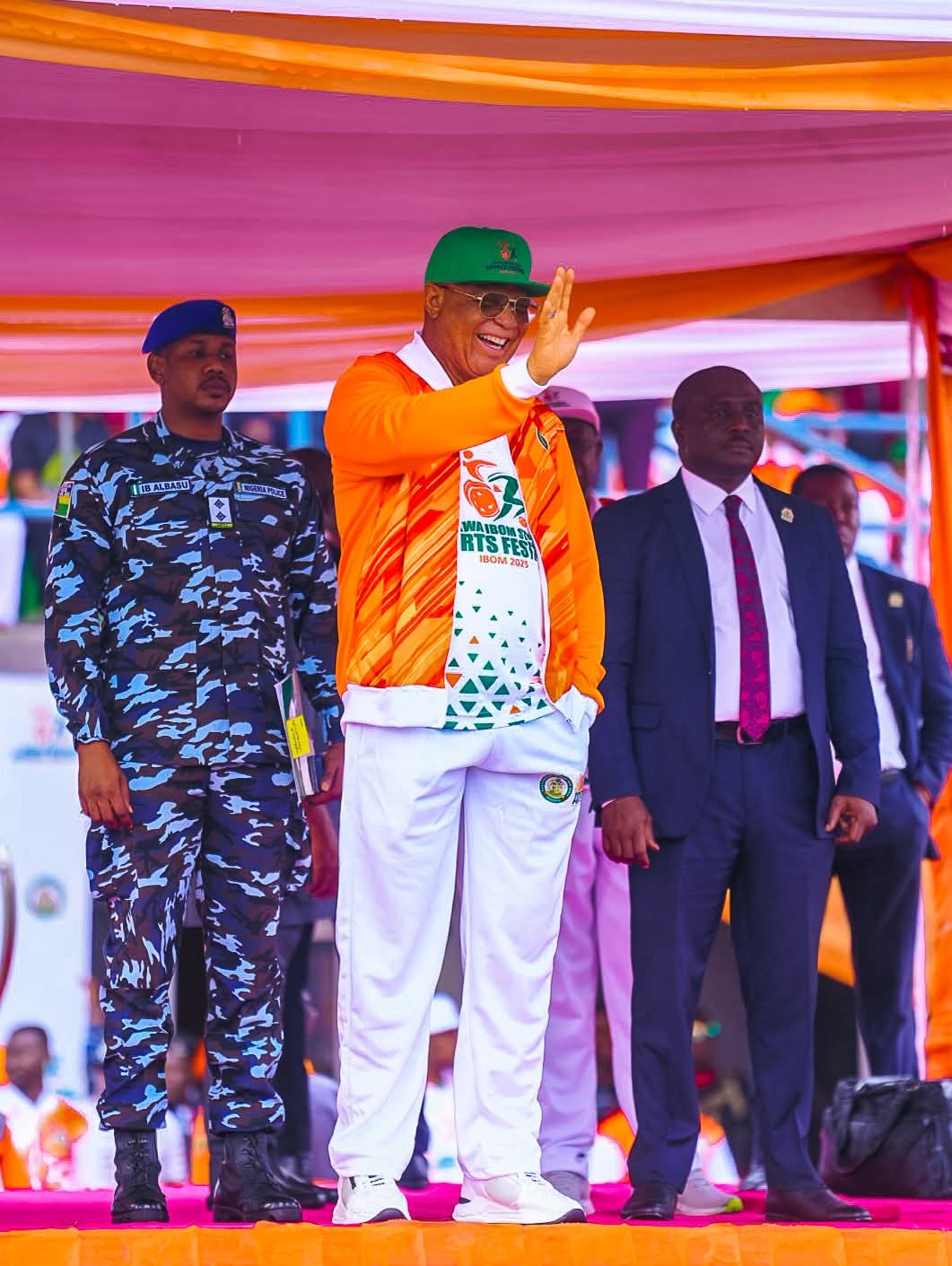
2026 AKWA IBOM SPORTS FESTIVAL: GOVERNOR UMO ENO’S BOLD STEP AT DISCOVERING TOMORROW’S SPORTS STARS TODAY
NYSC Batch B Stream II Orientation Camp opens August 28
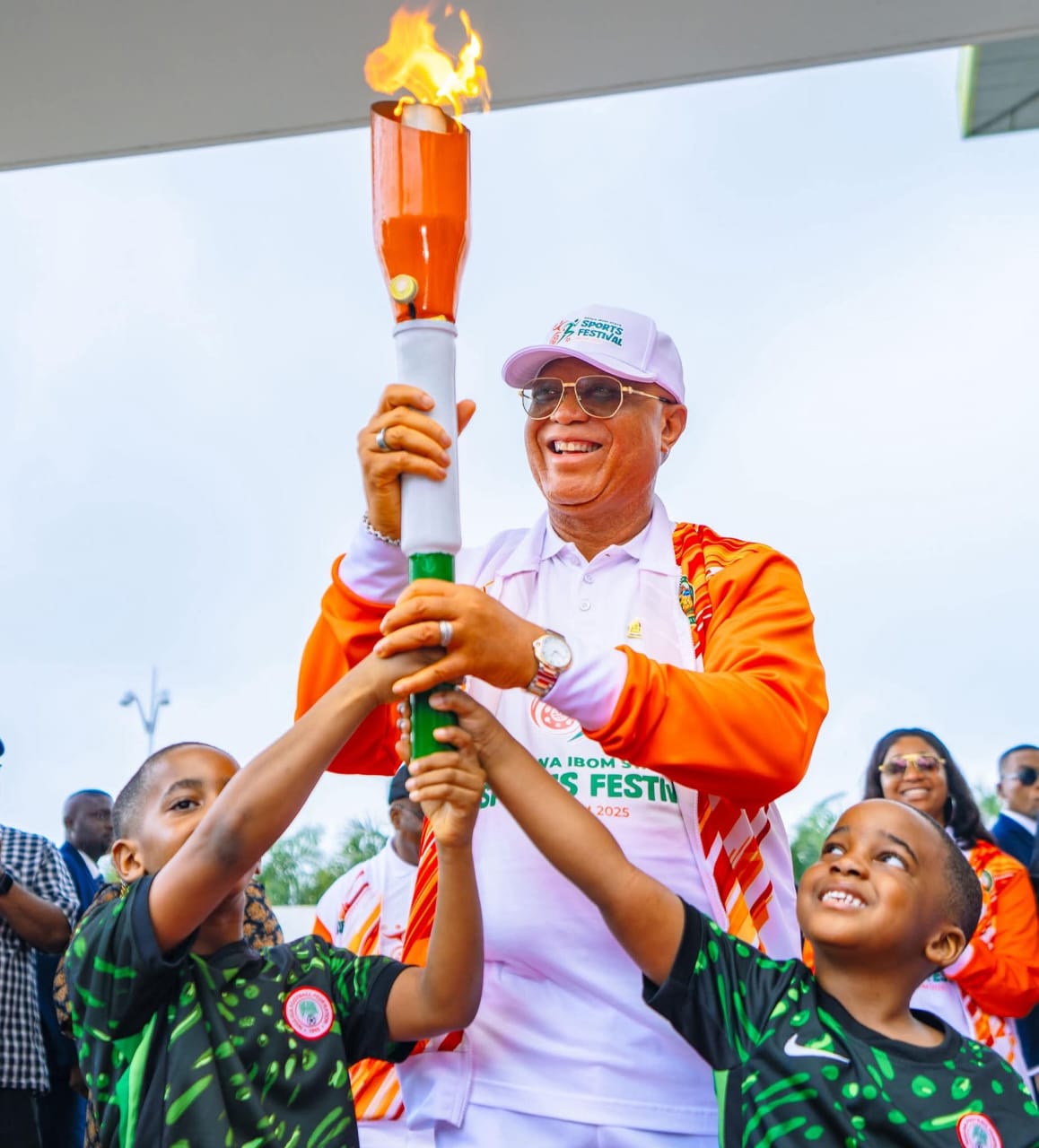
A’IBOM SPORTS FESTIVAL KICKS OFF SEPTEMBER 8
-
SPORTS3 months ago
2026 AKWA IBOM SPORTS FESTIVAL: GOVERNOR UMO ENO’S BOLD STEP AT DISCOVERING TOMORROW’S SPORTS STARS TODAY
-
NEWS2 years ago
NYSC Batch B Stream II Orientation Camp opens August 28
-
SPORTS1 year ago
A’IBOM SPORTS FESTIVAL KICKS OFF SEPTEMBER 8
-
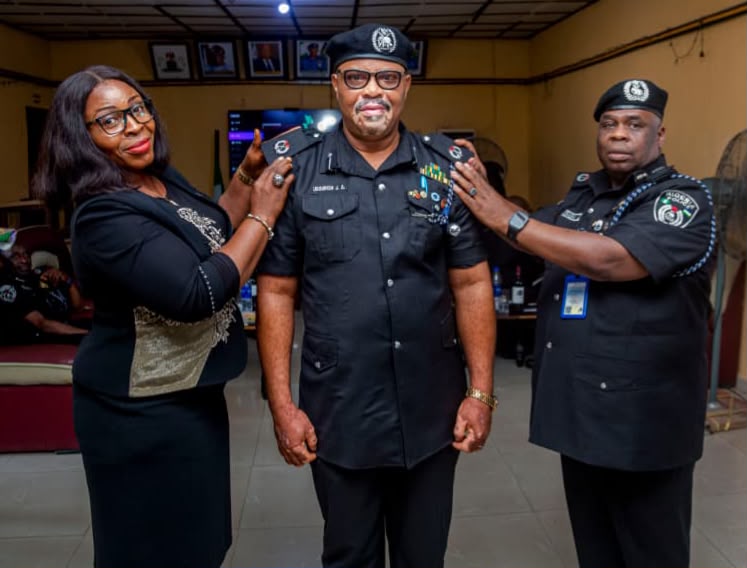 METRO2 months ago
AKWA IBOM STATE POLICE COMMAND DECORATES TWO NEW ASSISTANT COMMISSIONERS OF POLICE, CONDUCTS HEPATITIS SCREENING FOR PERSONNEL
-
SPORTS1 month ago
2nd EDITION OF AKWA IBOM SPORTS FESTIVAL KICKS OFF SEPTEMBER 22 2026
-
 Crime1 year ago
Akwa Ibom Police Command Reels Out Emergency Numbers to the Public
-
 Crime2 months ago
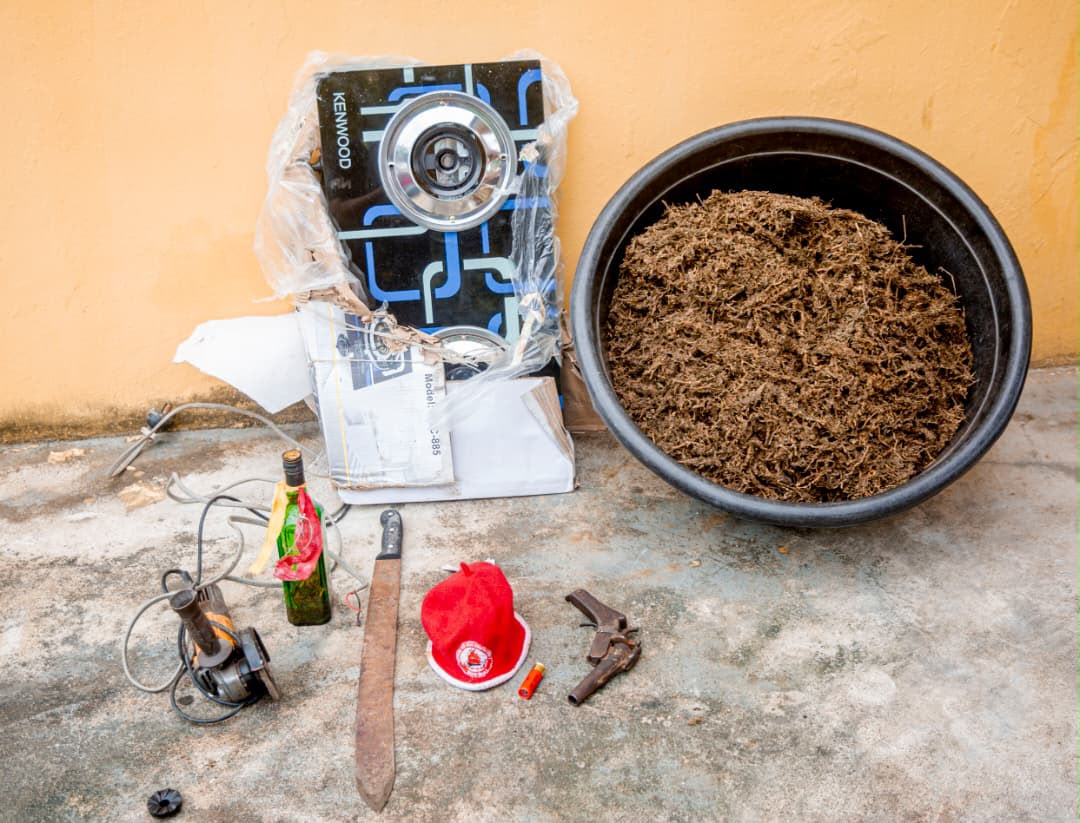
TWO SUSPECTED ARMED ROBBERS LINKED TO MURDER AND KIDNAPPING IN ETINAN IN POLICE NET
-
 SPORTS1 year ago
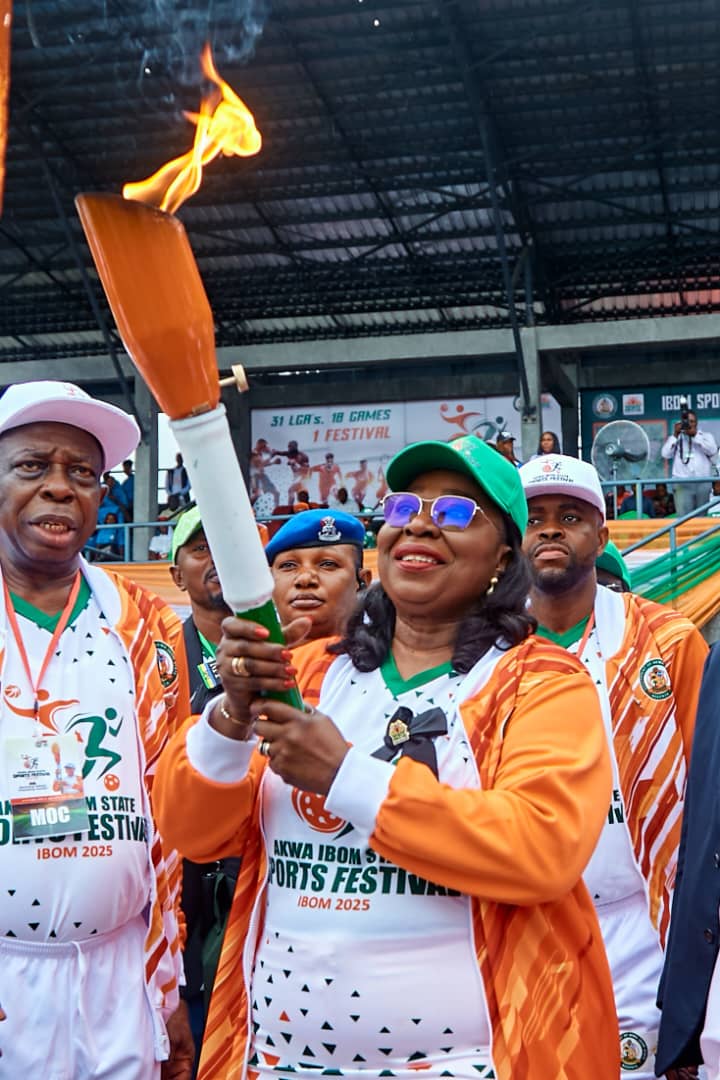
Akwa Ibom Sports Festival opens in Uyo